
In brief
- 55 terms, A to Z, from parish registers and churchwardens' and overseers' records.
- The language of settlement, bastardy, tithe and church office often holds the clue to where a family came from.
- Spelling followed the sound of a word, and before 1752 the year began on 25 March.
- Ann Lloyd's article on North Waltham's parish accounts shows many of these words in use.
Contents
Open a parish register, a churchwardens' account book or an overseers' ledger and it will not be long before you hit a word nobody uses any more. Some are terms of church law. Others were ordinary words at the time, spelt however the writer heard them. Once you know them, a page that looked baffling can usually be read without much trouble.
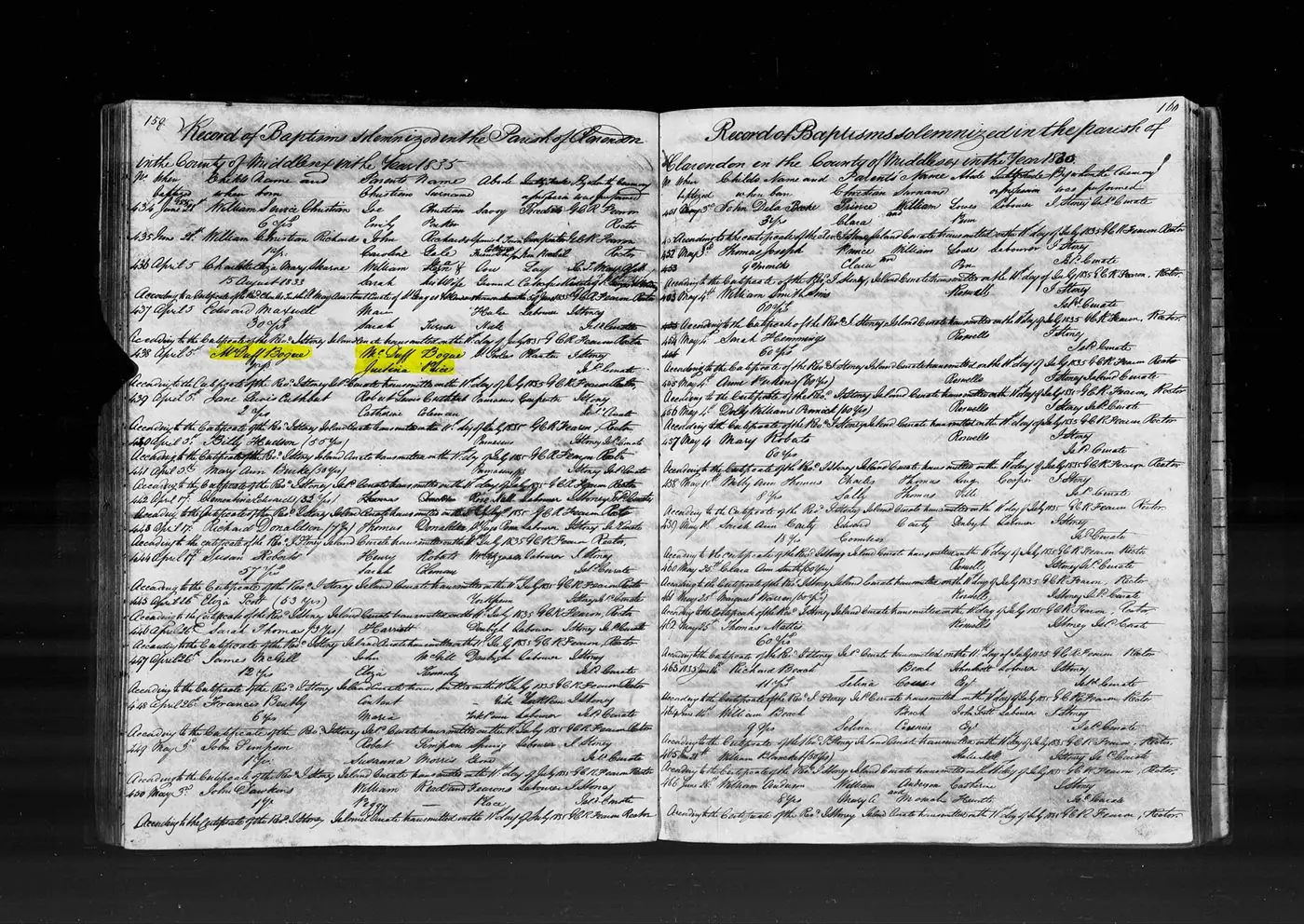
Below are the terms that come up most often in the parish records of rural Hampshire, from the sixteenth century up to the reforms of the 1830s, in alphabetical order with a short definition for each.
Why these words matter
Parish records were written by people who knew the system, for others who knew it too. A clerk who noted that a woman had been 'churched', that a child was 'base-born' or that a family was 'removed by order' assumed his readers knew exactly what that meant. Without the same knowledge it is easy to misread an entry, or to pass over something useful, such as a settlement examination that names a birthplace.
Ann Lloyd's article Quishions, Kewerings and a Poul Cat, written for the society from North Waltham's parish accounts, shows what these records can yield, and its title shows the problem. A 'quishion' is a cushion spelt as it sounded, and a 'poul cat' is very probably a polecat, one of the animals churchwardens paid vermin bounties for. The article makes good reading alongside this glossary. The church itself has its own page, North Waltham church.
Tips before you start
- Say it aloud. There was no standard spelling, and a puzzling word read out in a country accent will often give itself away.
- Expect some Latin. Many registers were kept partly in Latin until the early eighteenth century, and you will often see baptizatus, sepultus and nupti (baptised, buried, married).
- Check how the year is reckoned. Until 1752 the legal year started on 25 March, so an entry for February 1740 is in what we would call 1741.
- Know your money. Accounts are in pounds, shillings and pence (£ s d): 12 pence to the shilling, 20 shillings to the pound.
- Look across the whole parish chest. A word that makes no sense in one document often becomes clear once you find the matching order, bond or account entry.
The glossary, A to Z
A
Advowson: The right to present (that is, nominate) a clergyman to a parish living. It counted as property, and a bishop, a college, a family or a private individual could own, sell or inherit it.
Affidavit (burial in woollen): A sworn statement that a body had been buried in a shroud of wool and nothing else, as the Burial in Woollen Acts of 1666 to 1680 required. Registers often just say 'affidavit made'. The law was repealed in 1814.
Alms: Money or goods given to the poor, including the communion collections that the minister and churchwardens handed out.
Apprenticeship indenture (parish apprentice): The deed by which the overseers bound a poor child to a master, to learn a trade or to work as a servant, often until 21 or 24. It names the child, the master and the master's parish, which may explain why a family moved.
Archdeacon: A senior clergyman in charge of the parishes of an archdeaconry. He held visitations and received the churchwardens' presentments.
B
Banns: Notice of an intended marriage read out in church on three Sundays, so that anyone with a legal objection could raise it. After 1754 many parishes kept a separate banns book.
Base-born: Illegitimate. Registers also say 'natural', 'spurious' or 'illegitimate', or use Latin such as filius populi (son of the people).
Bastardy bond: A bond by which the reputed father of an illegitimate child, often with sureties, promised to repay the parish for the child's keep.
Bastardy examination: An unmarried mother's sworn statement before a justice of the peace naming the father of her child, so that the parish could pursue him for maintenance.
Beating the bounds: Walking the parish boundary, yearly or now and then and usually at Rogationtide, so that people remembered where it ran. Also called a perambulation. Refreshments for it often turn up in the accounts.
Benefice: A church living, meaning the office of rector, vicar or perpetual curate and the income that went with it.
Bishops' transcripts: Yearly copies of the parish register sent to the bishop, generally from 1598. Those for parishes in Winchester diocese are at Hampshire Archives.
C
Chrisom: A child who died within a month of baptism, by tradition buried in the white chrisom cloth from the christening. A register may call it a 'chrisom child'.
Churching: The service of thanksgiving for a woman after she had given birth. Churching fees sometimes appear in the accounts of the clergy or the clerk.
Churchwarden: One of the lay officers, normally two, chosen every year to look after the church building and its goods, collect the church rate, keep order and report offences to the church courts.
Church rate: A local tax set by the vestry to keep up the church and cover the churchwardens' expenses. Compulsory church rates ended in 1868.
Clerk (parish clerk): The minister's lay assistant, who led the responses, sometimes kept the register, and where there was no sexton often dug the graves or rang the bells.
Communicant: A parishioner who took communion. Some visitation returns list communicants or give the number at Easter communion.
Consistory court: The bishop's court. Before 1858 it handled probate, and it also dealt with marriage licences, matrimonial and defamation cases, tithe disputes and faculties.
Curate: An assistant clergyman, or one who served a parish for an absent rector or vicar. A perpetual curate held a living that was neither a rectory nor a vicarage.
D
Dissenter: A Protestant who worshipped outside the Church of England, for instance a Baptist, Independent, Quaker or Methodist. The other word for it is nonconformist.
E
Easter offerings (Easter dues): Small customary sums paid to the incumbent at Easter. Some parishes kept Easter books listing the households and what each paid.
Examination (settlement examination): A sworn statement before the justices about where someone was born, apprenticed, hired and married, taken to decide which parish was legally responsible for them. For family historians these are some of the most useful papers there are.
F
Faculty: A licence from the diocesan court for changes to a church or churchyard, such as putting up a gallery, moving pews, adding a monument or altering the fabric.
G
Glebe: Land belonging to the living, which the incumbent farmed himself or let out for income.
I
Incumbent: The clergyman who held a benefice, whether he was rector, vicar or perpetual curate.
Induction: The ceremony that put a new incumbent in possession of the church and its income. Traditionally he tolled the bell.
Institution: The bishop's formal admission of a clergyman to the spiritual charge of a parish. Induction came after.
L
Lay or levy: Older words for a rate or local tax, as in 'a lay for the poor'. 'Cess' and 'assessment' mean the same.
Lych-gate: A roofed gateway into the churchyard, where the coffin could be set down while the minister met the funeral party.
M
Marriage licence: Leave from the bishop or his surrogate to marry without banns. The allegation that went with it, and before 1823 a bond as well, often gives ages and parishes, and sometimes a parent's consent.
Mortuary: A customary payment to the incumbent when a parishioner died, at first the second-best beast or garment. An Act of 1529 regulated it and turned it largely into a money payment.
O
Outdoor relief: Help, in money or in kind, given to poor people in their own homes rather than in a workhouse.
Overseer of the poor: A parish officer appointed each year under the Poor Law Acts of 1597 and 1601 to collect the poor rate and pay out relief. Overseers' accounts record payments to named people for rent, clothes, fuel, nursing and burials.
P
Parish chest: The locked chest where a parish kept its registers, accounts, settlement papers and other records. Historians use the term for the records as a whole.
Pauper: Someone receiving poor relief from the parish. In a burial register the word shows how the funeral was paid for.
Pew rent: A charge for the right to a particular seat in church. Seating plans can show who ranked where in the parish.
Poor rate: The local tax the overseers collected to pay for poor relief, assessed on the occupiers of land and houses. Rate books show who occupied what.
Presentment: The churchwardens' report to the archdeacon or bishop on the state of the church and on offences such as staying away from church, immorality or not paying rates.
R
Rector: An incumbent entitled to all the tithes of the parish, great and small.
Removal order: An order from two justices that a person or family likely to need relief be sent back to the parish where they were legally settled.
S
Settlement: A person's legal right to poor relief in one particular parish. It could be gained by birth, marriage, apprenticeship, a year's hiring, renting property above a set value or serving in a parish office.
Settlement certificate: A document from a person's home parish, introduced by an Act of 1697, accepting responsibility for them should they need relief while living somewhere else.
Sexton: The officer who looked after the church and churchyard, dug the graves and often rang the bell.
Sidesman: An assistant to the churchwardens. The word began as 'synodsman', someone who helped with reports to church visitations.
Surrogate: A clergyman given authority to act locally for the bishop, especially in granting marriage licences.
Surveyor of the highways: An unpaid parish officer, compulsory from 1555, who kept the local roads in repair with the parishioners' statute labour and, later, a highway rate.
T
Terrier: A written survey of the property belonging to a living: glebe land, buildings, tithes and sometimes the church furnishings. Glebe terriers were sent in to the bishop from time to time.
Tithe: A tenth of what the land produced, owed for the support of the church. After the Tithe Commutation Act 1836 most tithes were turned into a money rent-charge.
V
Vagrant pass: A document authorising a vagrant to be passed along, stage by stage, towards their parish of settlement. The cost of relieving travellers shows up in the accounts.
Vermin payments: Bounties paid by churchwardens, under Tudor Acts of 1532 and 1566, for the heads of creatures reckoned to be harmful, such as foxes, polecats, hedgehogs and sparrows.
Vestry: The meeting of parishioners, or of a select few, that ran the parish, set the rates and chose the officers. It took its name from the room where it often met.
Vicar: An incumbent who had only part of the tithes, usually the small ones, while the great tithes went to a lay or institutional rector.
Visitation: A regular inspection of the parishes by the bishop or archdeacon. The churchwardens answered set questions and made their presentments, and the returns describe the church and parish.
W
Workhouse: An institution where poor people on relief were housed. After 1834 most parishes were grouped into Poor Law Unions sharing a union workhouse; this area came mostly under the Basingstoke Union.
Where to find the records these words come from
Most of the surviving parish records for North Waltham, Steventon, Ashe and Deane, including the registers and, where they exist, churchwardens' and overseers' accounts and vestry minutes, are deposited at Hampshire Archives and Local Studies in Winchester. The Diocese of Winchester's records, such as bishops' transcripts, marriage licences, visitation papers, faculties and terriers, are held there as well. Central Poor Law correspondence after 1834 is at The National Archives. What survives varies a lot from parish to parish, so check the catalogue rather than assume a series exists.
The society's articles page has more on these sources.
Frequently asked questions
What is the difference between a rector and a vicar?
A rector had all the tithes of the parish. A vicar had only part, usually the small tithes, because the great tithes belonged to someone else: a monastery before the Reformation, for example, or a lay owner afterwards.
What does 'base-born' mean in a baptism register?
That the child was illegitimate. It is worth looking in the parish chest for a bastardy examination or bastardy bond, which may name the father.
What were settlement certificates and removal orders?
Under the settlement laws everyone belonged to one parish for poor relief. A certificate from that parish let a person live elsewhere, and a removal order sent them back if they looked likely to need relief. Both are useful for following a family from parish to parish.
Why do churchwardens' accounts mention polecats and hedgehogs?
Tudor Acts of 1532 and 1566 made parishes pay bounties for the heads of animals and birds thought to damage crops and stores. The churchwardens wrote the payments down, sometimes in very inventive spelling.
What is a chrisom child?
A baby who died within about a month of baptism, by tradition buried in the white cloth from the christening. The phrase is found in burial registers.
Where can I see the original parish records for these villages?
Registers and parish chest records that have been deposited are at Hampshire Archives and Local Studies in Winchester, together with Diocese of Winchester records such as bishops' transcripts and marriage licences. The online catalogue lists exactly what is held.
Further reading on this site
- How to Trace Your Ancestors from North Waltham, Steventon, Ashe and Deane
- How to Read a Tithe Map and Apportionment: A Steventon Example
- Turnpike Roads and Coaching Inns Around Basingstoke
This guide was written for the restored archive by the society's volunteers. If you can add to it or spot a mistake, please get in touch through our contacts page.